


Start your adventure
Discover the wonders of our planet in a truly authentic way with Rainbow. Dig deep into natural wonders, be humbled by staggering landscapes or feel enlightened by local communities – our Travel Specialists share your passion for seeing the world in a sustainable way.
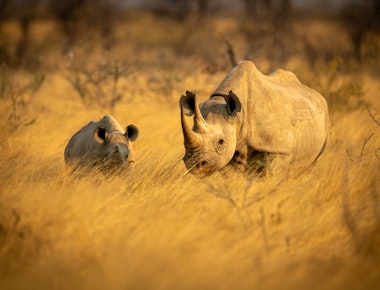
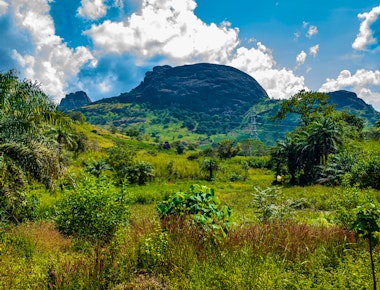


Get closer with Rainbow
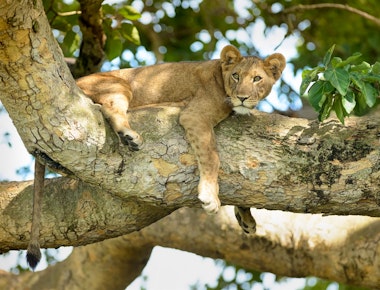
At Rainbow, we love the natural world as much as you do. As specialists in travel to Africa, Latin America and Madagascar, we know where to go to get you as close to nature as possible - as respectfully as possible. Every one of our tailor-made or small group tours is created by an expert who has not just visited the country themselves, but has lived and fully immersed themselves in it. So, whether you dream of watching lions prowl the Serengeti, or exploring the thriving rainforest of Costa Rica, we'll ensure you have the most breathtaking wildlife encounter, sustainably made.
Rainbow Recommends
Northern Botswana Highlights Safari
Savour the highlights of Botswana in a fully serviced mobile safari with en-suite tents, exploring the wildlife- rich Mo...
11 nights from £4,780 p/p
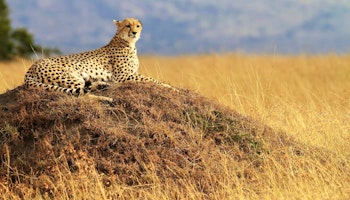
Big Cat Masai Mara & Samburu Safari
This smashing Big Cat Safari visits both the Masai Mara and Samburu National Reserve . With its undulating grasslands an...
10 nights from £4,895 p/p
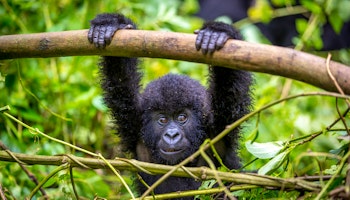
Ultimate Uganda & Rwanda Wildlife and Conservation Small Group Tour, September 2024 & 2025
We are immensely proud to present this truly inspirational and immersive set, small group tour for Sept 2023 and Sept 20...
15 nights from £9,860 p/p

Madagascar Wildlife Discovery Tours 2024 & 2025
2024 DATES: 14 - 29 September 2024 (Fully booked) 01 - 16 October 2024 (Fully booked) 15 - 30 October 2024 (Fully book...
16 nights from £4,945 p/p
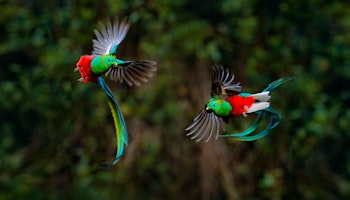
Costa Rica Highlights
Enjoy the many highlights of Costa Rica on this 12-day itinerary, including volcanoes, lakes, cloud forest and both the ...
12 nights from £3,495 p/p
Start tailoring your holiday today
We take the time to truly understand what you want from your holiday. That way, we can create a personally tailor-made experience that you won't find anywhere else. Start today by speaking with our team and we'll create a holiday that really is all about you.
Tailor your bespoke holiday today
You can speak to our team now to start planning your personalised travel experience.


Call our team on
Monday - Friday: 9am - 7pm
Saturday: 10am - 4pm
Sunday: closed
Closed on Bank Holidays
We care about our world
Be part of our mission to discover the beauty of our planet, as responsibly as possible.
Since our first tours to South Africa in 1997, Rainbow has been built on a belief that travel should have a positive impact on the world. We were founded out of a passion for sharing the wonders of Africa, and we continue to stay actively engaged in the conservation and communities of all the places we visit. We work with a select number of charities and NGOs, helping to support those living in poverty. We're also deeply committed to animal welfare, so you can travel assured that you'll experience only ethical wildlife encounters.
Looking for inspiration?
You'll find expert travel guides, holiday ideas and insider tips now on the Rainbow blog
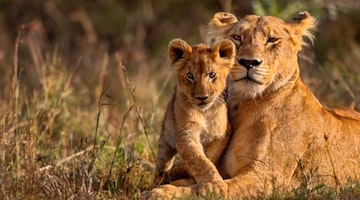
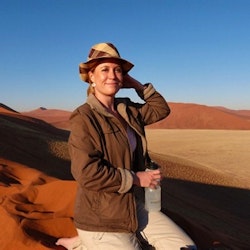
Top 5 First Time Safari Destinations
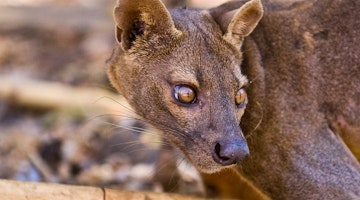
10 Strange Animals and Where to Go to See them
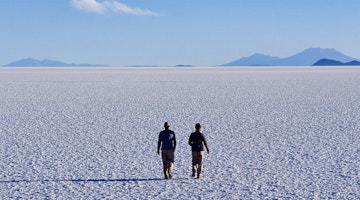
Salar De Uyuni - The World's Largest Salt Flat
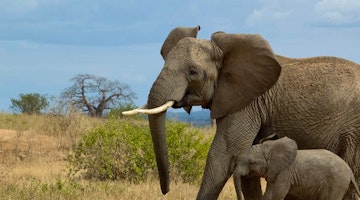
Top five South Africa Safari lodges
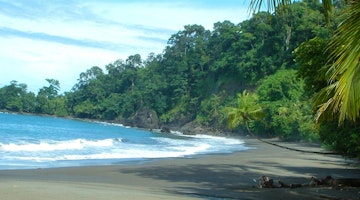
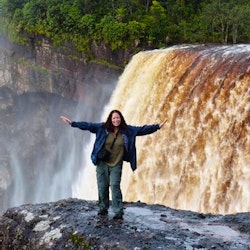
Sustainable Tourism In Corcovado National Park, Costa Rica
Why Choose Us?
Passionate travel experts
- We've been leading wildlife travel since our first South Africa tours over 25 years ago
- Our Travel Specialists have lived in their specialist area for years
- We work with local guides to immerse you deeper in our diverse range of experiences
Personal & tailor-made
- You'll speak to your own expert who'll share their first-hand knowledge
- We'll make your itinerary seamless with 24/7 emergency contact available
- Your Travel Specialist will listen to ensure you have the best chance of seeing the wildlife you love
Responsible by nature
- We take care to actively contribute to the conservation of environments we visit
- For select countries, we make a charitable donation on your behalf when you make your booking
- We've partnered with conservation experts and NGOs to curate responsible tours



For the latest travel advice from the Foreign, Commonwealth and Development Office check www.gov.uk/travelaware
Why travel with us?
Wildlife specialists
We only take you to places where we have authentic expertise and specialist knowledge
Planet first
We travel responsibly, with conservation and community at the heart of every experience
Travel experts
We tailor every tour using our unique knowledge, no matter how complex the itinerary
25
years tailoring unique wildlife travel experiences
93
years our Travel Specialists have lived in Africa, Madagascar & Latin America
5+
number of conservations and charities supported
1
we're the leading UK tour operator for travel to Madagascar
)